



Feature: A guide to Patek Philippe dress watches
If there’s one brand that’s synonymous with the dress watch, it’s Patek Philippe. From the pared-down elegance of the Calatrava to the Art-Deco flamboyance of the Gondolo, Patek is a master of the form, boasting several long-running collections in its catalogue while continuing to push the boundaries of what a dress watch can be.
To anyone thinking of buying one of the hundreds―if not thousands―of dress watches that Patek has made over the past century, the options can be overwhelming. The Calatrava alone has so many iterations that it’s sometimes hard to believe they’re all part of the same family.
With this in mind, we’ve put together a guide to help you choose the perfect Patek for those special occasions, while also explaining why this revered brand is the unrivalled dress-watch king.
The quintessential dress watch
The Calatrava is the barometer by which all other dress watches are measured. Named after the brand’s logo, a fleur-de-lis-embellished cross used by a Spanish military order in the Middle Ages, it’s Patek’s flagship model par excellence. Yet its Bauhaus-influenced design was considered radical when it first appeared in 1932.

The reference 96 laid the foundations for the archetypal dress watch. Image courtesy of Bonhams
This was the height of the Art Deco era, and dress watches of the period usually came in “shaped” cases―essentially, anything but round.
Almost always made from precious metal, they were also highly embellished, the bezel or lugs bearing ornate engravings, a cluster of gemstones or stepped cases.
Numerals, especially Roman ones, were often stretched or enlarged to fill the dial, as if the presence of too much empty space was something to be frowned upon.
The Calatrava was the antithesis of these watches, as evidenced by the first-ever example, the reference 96―incidentally, the first Patek to be given a reference number.
It featured a yellow-gold 30.5mm round case―tiny by today’s standards―which housed a pared-down white dial with small-seconds at 6 o’clock, baton hour markers and simple dauphine hands. As with most Calatravas, it was paired with a high-grade leather strap, rather than a bracelet.
The first ever reference 96 came with a smooth bezel, but a hand-guilloched clous de Paris variation, reference 96D (the “D” standing for “Décor”), followed two years later, as did many other versions of the 96.
The movements of these first-generation models were in-house manual-wind calibres. And although quartz and automatic movements have since been used sporadically in the collection, the Calatrava is best-known for being manual-wind―the omission of a winding rotor resulting in the slender case that is a pre-requisite for the archetypal dress watch.
Cataloguing every Calatrava ever made would require several coffee-table books to do it justice, but there are several key models that are highly regarded among collectors.
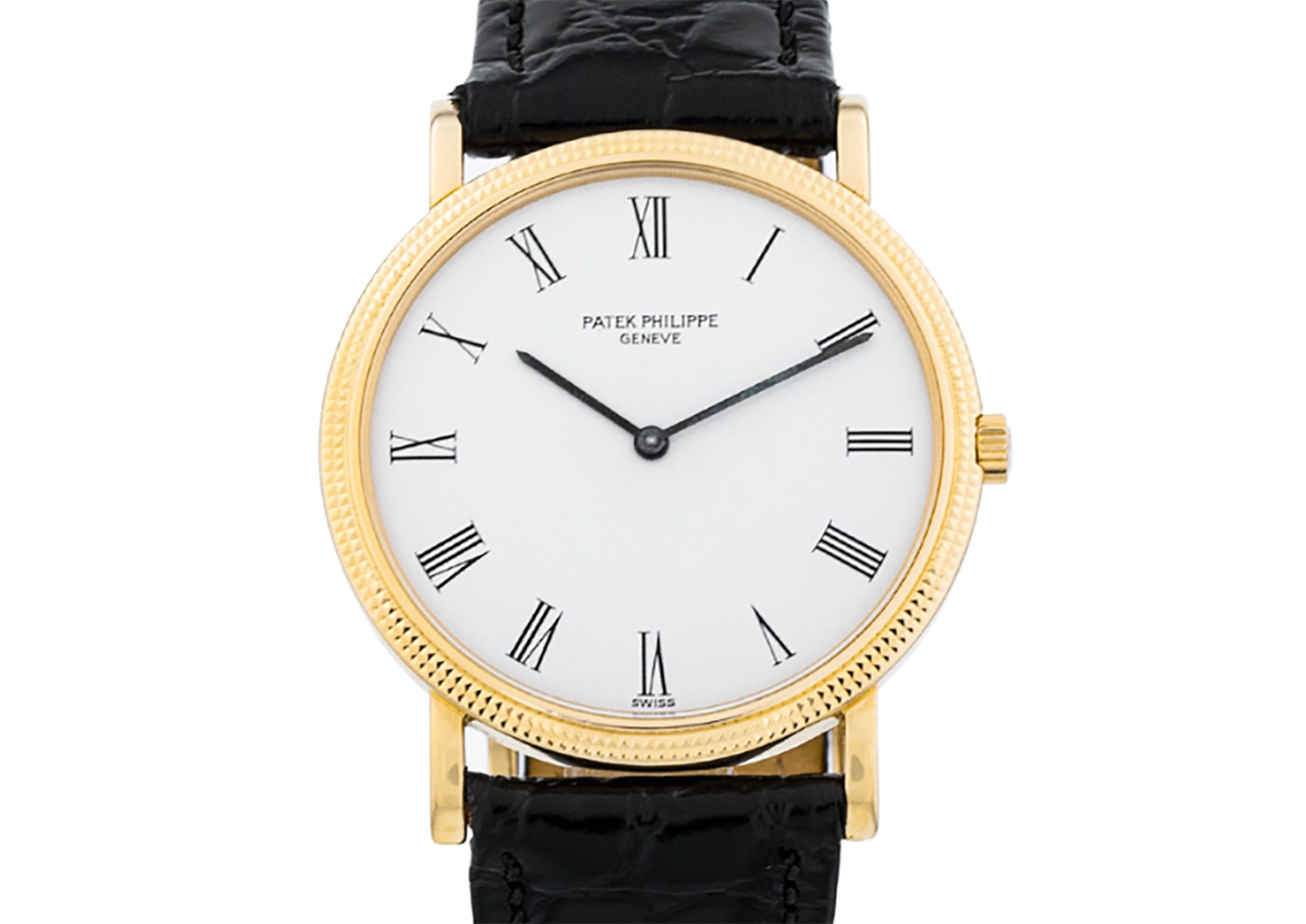
The reference 3520D with clous de Paris bezel
The reference 3520D, now considered a classic, was released circa 1970, and stood out for having straight, rather than curved lugs, along with Roman numerals, no seconds hand, and the clous de Paris bezel.
Its ultra-slim case, so hard to appreciate until you actually see it lying flat on the wrist, was made possible by the Calibre 177 movement, which was less than 2mm thin.
In 1985, the similar reference 3919 was released, which replaced the stick hands with the leaf (or ‘feuille’) style while introducing a small-seconds subdial at 6 o’clock. Its popularity was reflected in its lengthy 20-year production run.
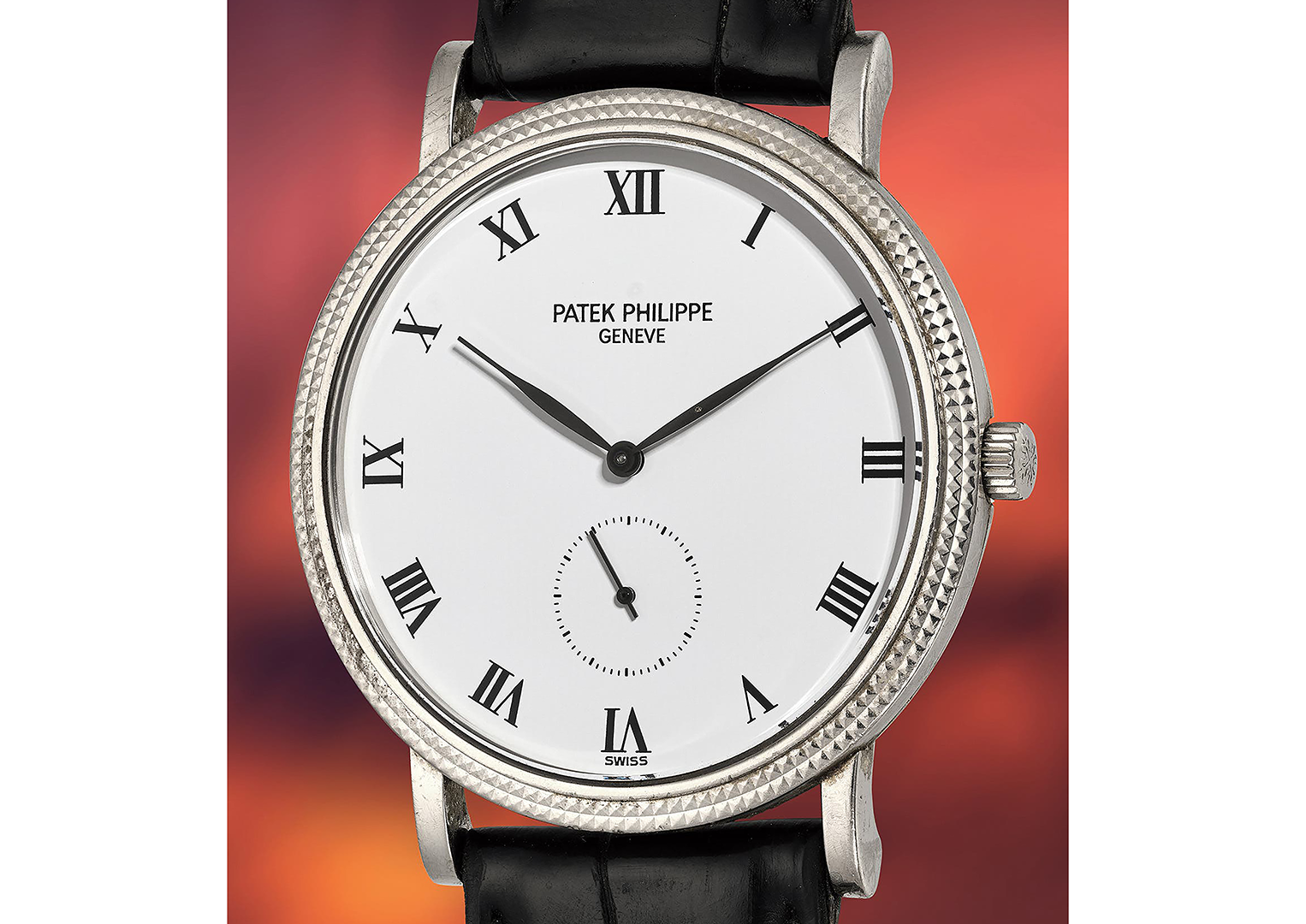
The reference 3919 came in white or yellow gold. Image courtesy of Phillips
While the Calatrava has traditionally come with an unadorned closed caseback, modern versions allow the wearer to admire the intricacy and craftsmanship of the movement through an exhibition caseback.
Should you, however, want the best of both worlds, consider the reference 5227.
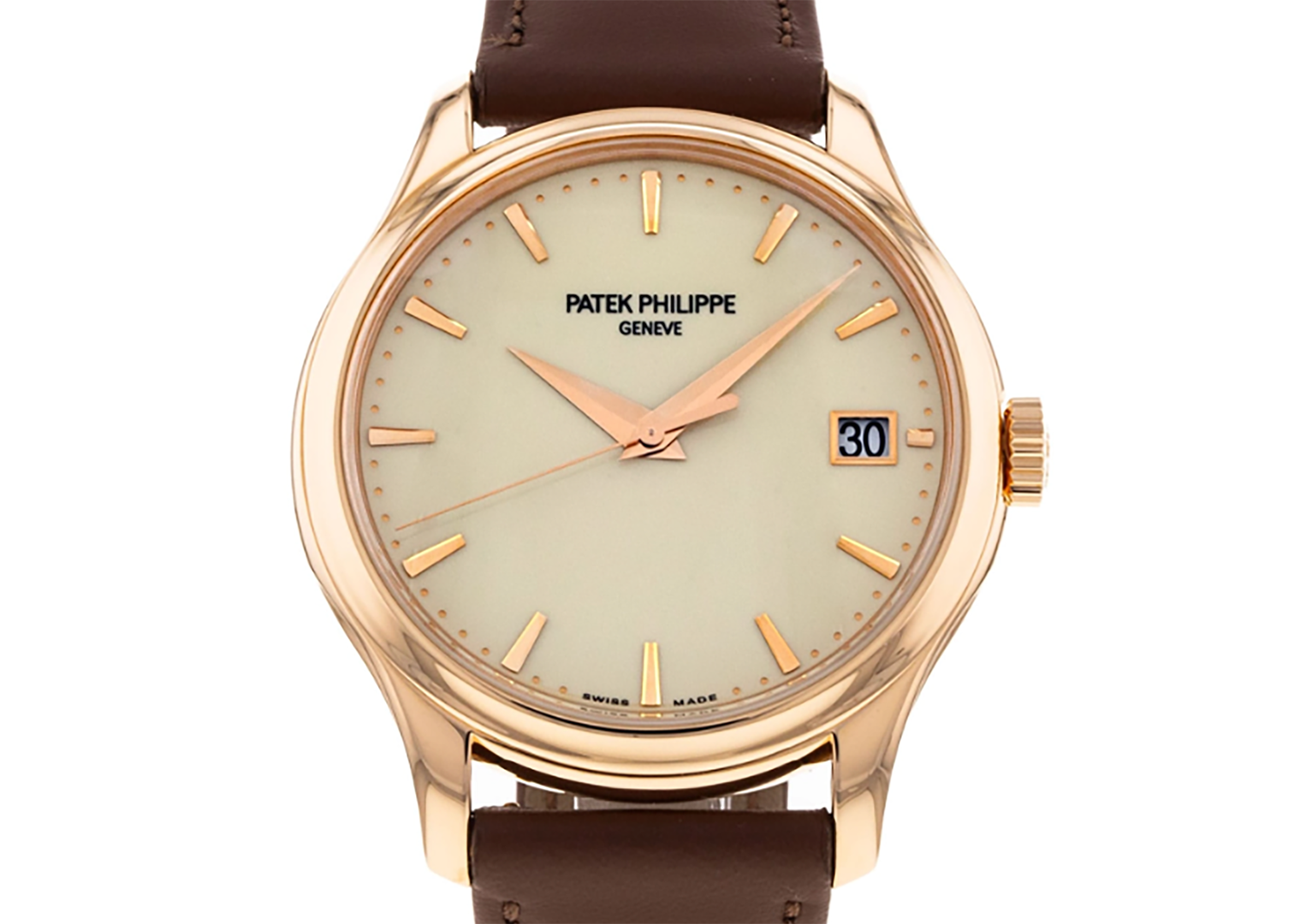
The reference 5227 features a rare hinged caseback
This self-winding model, which adds a date window at 3 o’clock, conceals the sapphire caseback with a plain hinged dust cover that can be flipped open by your thumbnail via a discreet lip. Even with the addition of the winding rotor and the dust cover, the case is still relatively slim at 9.24mm.
For something a little more decorative, the reference 5196P from 2004 features a concentric silver dial with applied Breguet-style numerals and a 37mm case. As with all platinum Patek Philippe watches, there is a small diamond set into the case band between the lower lugs.

A Calatrava with an unmistakeably Breguet aesthetic. Image courtesy of Phillips
Purists, beware! There was also this version, the white-gold reference 6007G released at Watches & Wonders in 2023, where Patek seemed to rip-up the Calatrava rule-book entirely.

The 6007G might be the sportiest "dress watch" ever
The perfect heirloom
When it comes to meeting the requirements of the perfect heirloom watch―one worn and handed down to successive generations of the same family―a classic Calatrava ticks every box.
Cased, with rare exceptions, in gold or platinum, it will outlast stainless steel in terms of chemical stability and resistance to environmental damage. It’s also more likely to hold its value and boasts a timeless aesthetic that is impervious to trends.
No story better illustrates this than the one that appeared in a Patek Philippe company newsletter in 1955.
Greta Tellander, the matriarch of a wealthy Swedish family, wanted to celebrate her seventieth birthday by presenting each of her eleven grandsons with a special gift. For this, she chose the yellow-gold reference 96, all purchased from the same Gothenberg jeweller.
Each caseback was engraved with the initials of both the recipient and Tellander herself, as well as her date of birth, while every watch came with a matching leather presentation case.
Today, almost all of the Tellander Calatravas remain with the family and its descendants, many still with their original straps and buckles.
Pre-Calatrava models
The very first Patek Philippe wristwatches emerged in the 1910s alongside the earliest military watches and future classics like Cartier’s Santos and Tank.
By this point, the brand had been established for well over half a century and had forged a reputation as a maker of high-quality pocket watches―although it does claim to have made the first ever wristwatch in 1868, a unique piece for a Hungarian countess, now on display in the company’s museum.
While the pocket watch needed to be round-cased to fit pebble-like into the palm of the hand, there were no such constraints when it came to wristwatches.
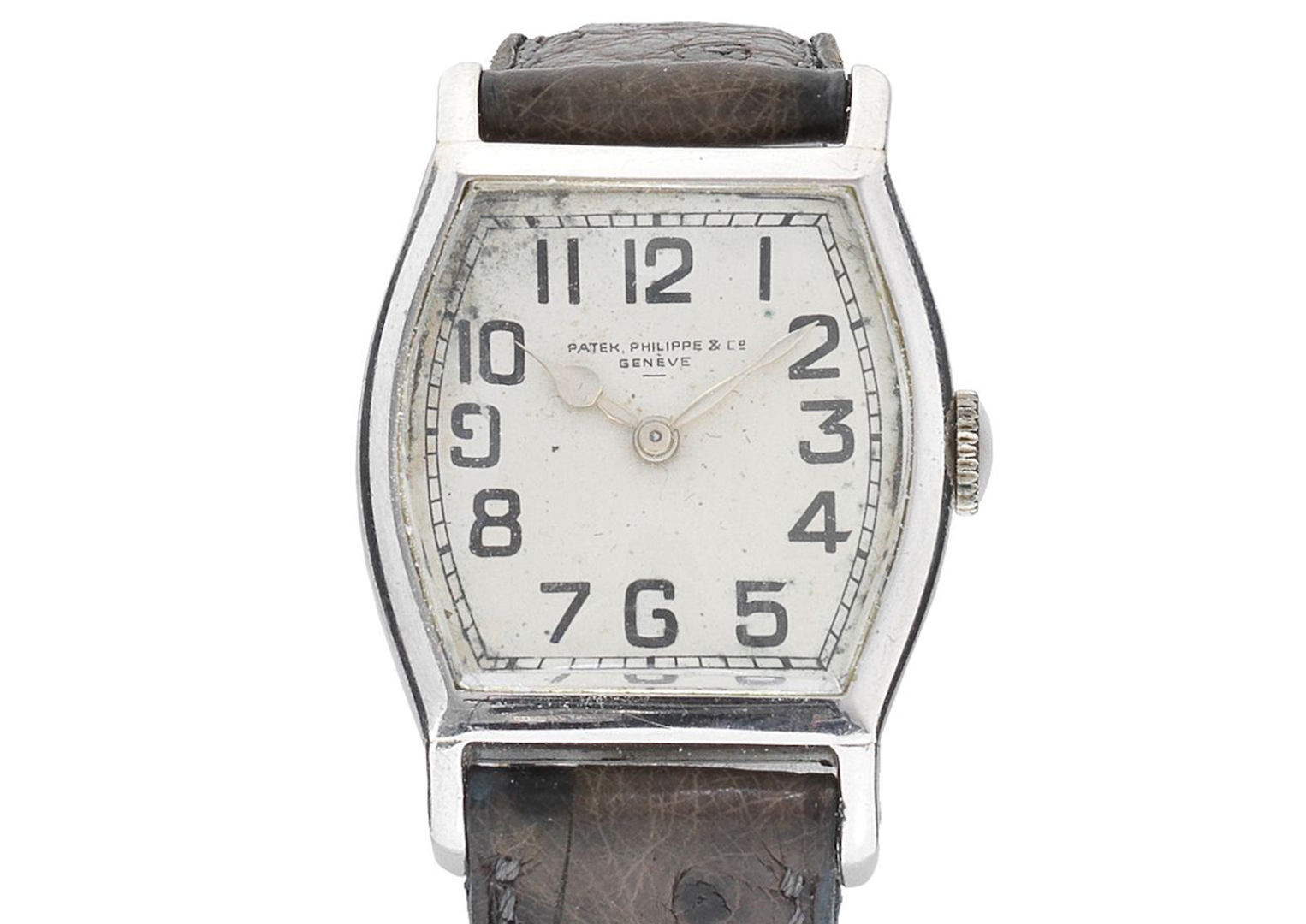
Before the Calatrava, Patek experimented with different case shapes. Image courtesy of Bonhams
With the shackles off, designers embraced bold experimentation, making models in all manner of shapes and forms, from rectangular to tonneau, lozenge to square.
Although there were some extremely rare examples of Patek Philippe chronographs around this time, the brand’s wristwatches back then were primarily small, time-only models cased in gold or platinum.
It wasn’t until a few years after the Calatrava's introduction that Patek began to manufacture more complicated wristwatches such as its renowned world timers and perpetual calendars.
More typical of Patek Philippe’s output during this period were models like this one, which frequently come up for auction today.
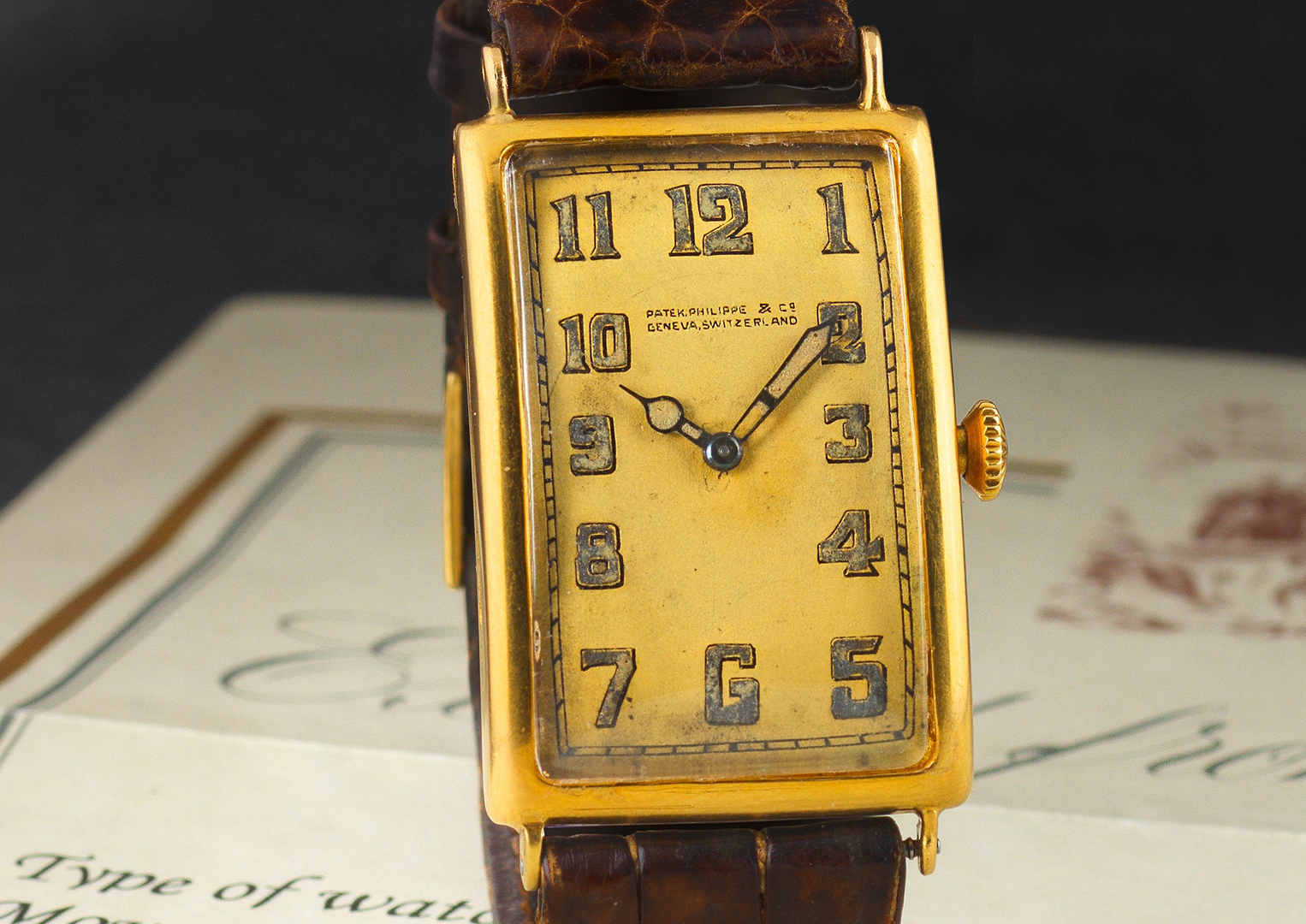
One of the earliest Patek Philippe dress watches. Image courtesy of Bonhams
The Gondolo
You could say the Gondolo is the antithesis of the Calatrava, the peacock to its swan. Whereas the typical Calatrava is all about pared-down elegance inspired by the Bauhaus ethos, “form follows function”, the Gondolo comes in many highly embellished styles.

This Gondolo belonged to Francis Ford Coppola. Image courtesy of Phillips
Dials feature a cornucopia of fonts and hour markers―from Breguet numerals to arrow-shaped indices―as well as intricate guilloche patterns, while anything goes regarding case shapes, as evident from this asymmetric Gondolo Trapeze, reference 5489, from 2006.
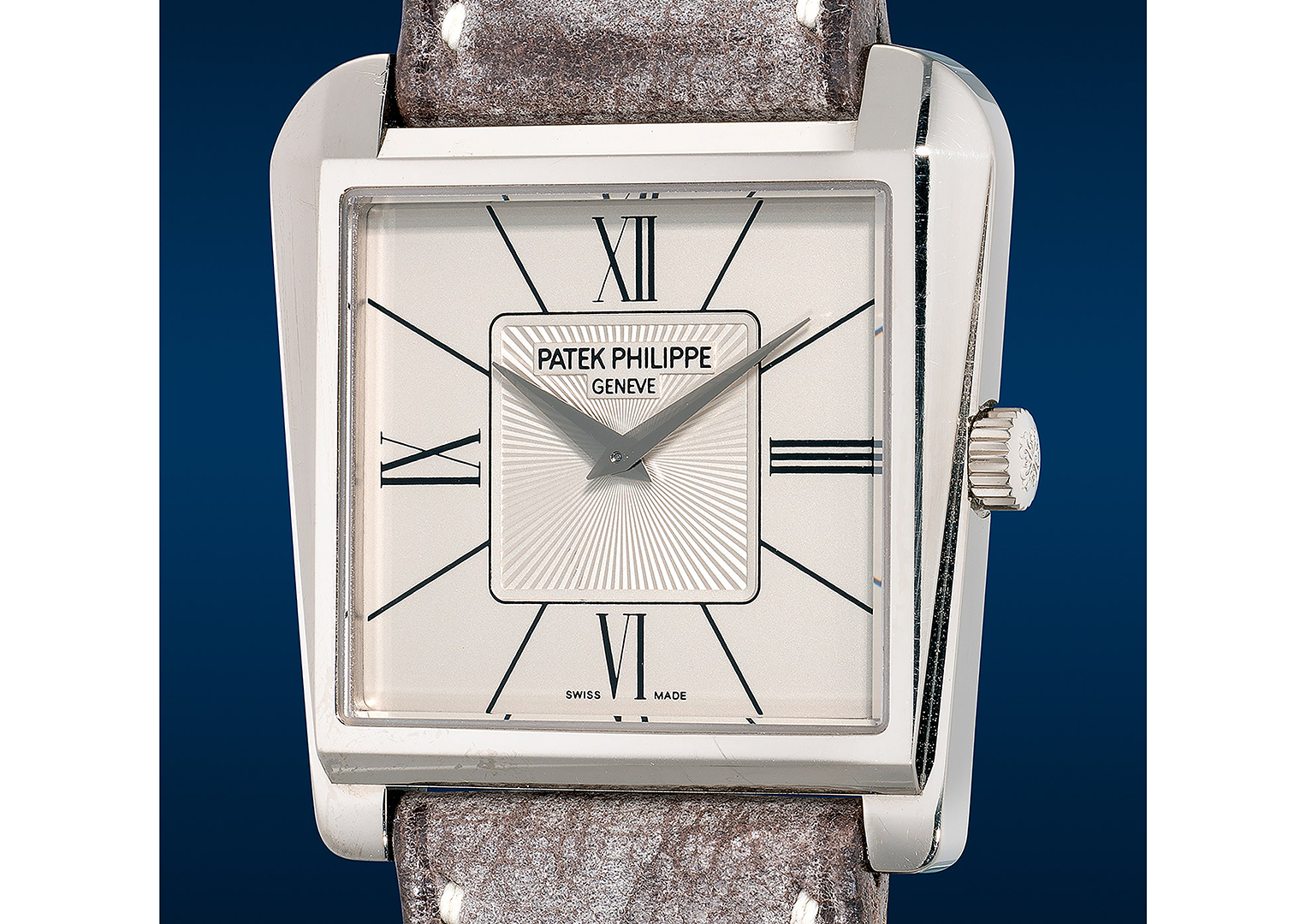
The Gondolo Trapeze. Image courtesy of Phillips
The Gondolo name itself comes from the Brazilian retailer Gondolo & Labouriau, Patek’s sole authorised dealer in Rio de Janeiro until the 1930s.
Patek created a number of exclusive timepieces for them, starting with pocket watches and moving on to chronometer wristwatches like this model from 1912.
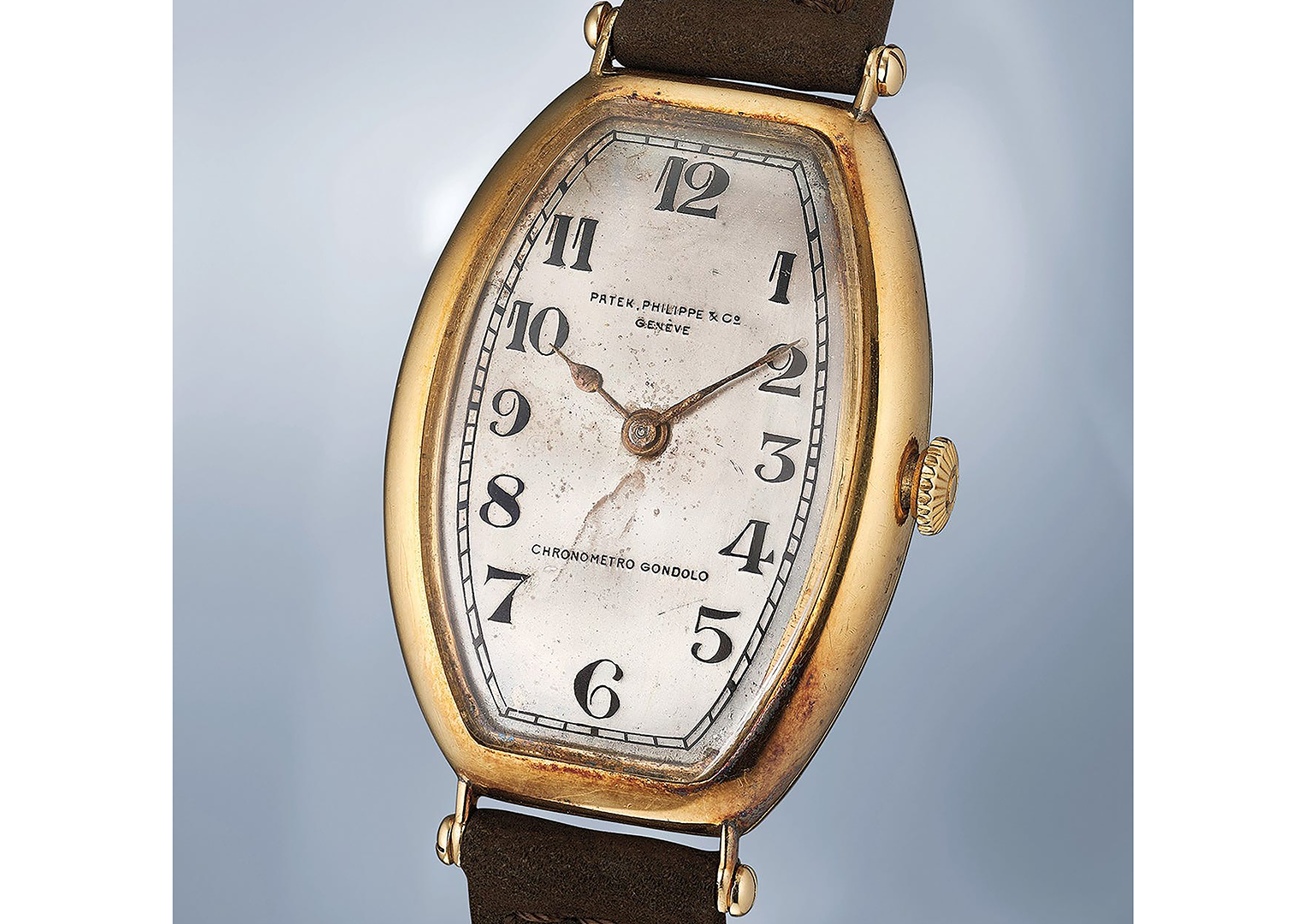
A watch from 1912 bearing the Gondolo name. Image courtesy of Phillips
The relationship was a highly lucrative one, with the retailer selling at its peak around a third of Patek Philippe’s annual turnover. Subsequently, the Gondolo collection was named in its honour.
Today, although Gondolo & Labouriau has long ceased trading, the Gondolo collection remains home to some of Patek’s most heavily decorated dress watches―a fitting testament to Brazilian flair.
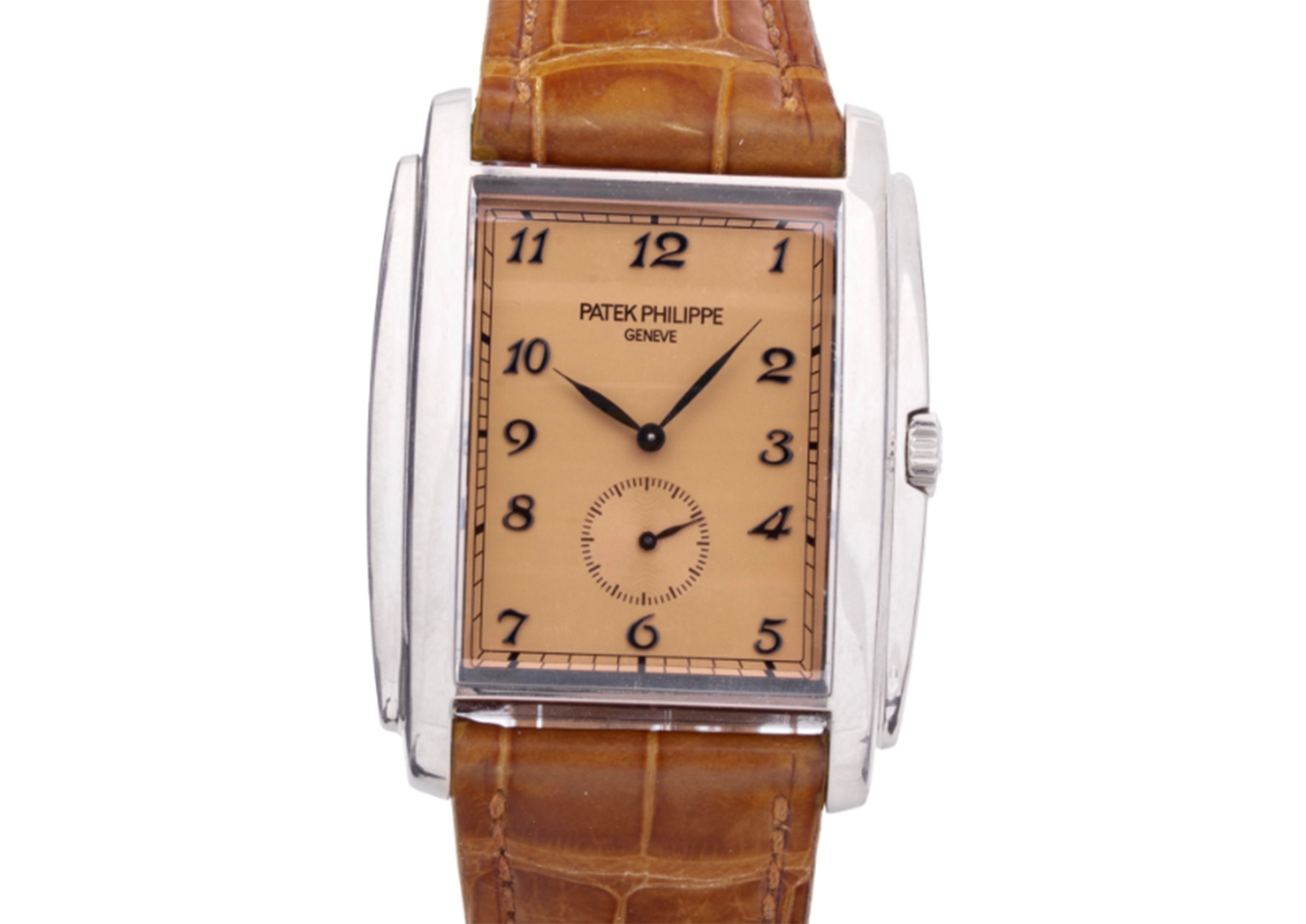
One of the more understated Gondolos
Ellipse-mania takes hold
In 1968 Patek launched the Golden Ellipse, a watch so successful that within a decade there were nearly 70 variants available. Its form drew inspiration from the "golden ratio”, a mathematic principle discovered by the ancient Greeks, which is often used to explain why the greatest artworks and architecture are so aesthetically pleasing.
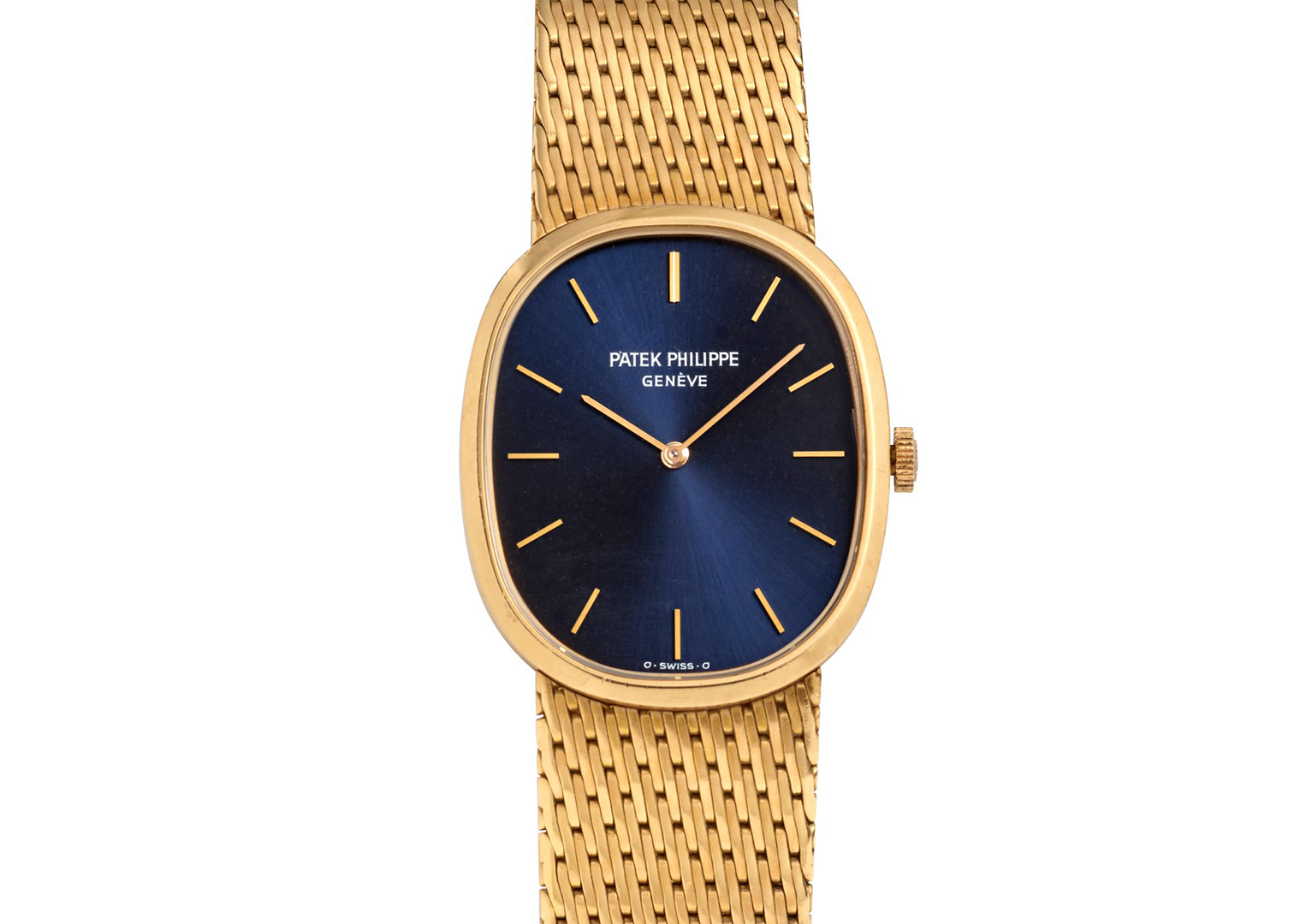
The Ellipse's design took inspiration from the 'Golden Ratio'. Image courtesy of Bonhams
Its distinctive gold case―somewhere between rectangular and oval―was soon instantly recognisable and sparked a craze among collectors, eager to get their hands on official Ellipse-themed paraphernalia. This included included 18k-gold rings, cigarette lighters and ever-so-slightly gaudy pendants featuring the signs of the zodiac.
They’re just as collectable now, with a rare version of a lighter with matching cufflinks, made for the Sultan of Oman circa 1980, fetching $44k at a Christie's auction in 2023. While Ellipse accessories are no longer made, the watch is still part of the collection and vintage models have seen a rise in popularity in recent years.
The basic design has barely changed through the decades, but it has been made in various case sizes and precious metals―white or yellow gold, or platinum―with different style straps and bracelets, as well as larger versions offering a date window at 3 o’clock.
The Gilbert Albert years
Some of Patek Philippe’s most interesting and collectable vintage models were the brainchild of Gilbert Albert—head of workshop at Patek from 1955 to 1962. His unconventional designs typically centre around asymmetric shapes paired with understated dials—and they feel as cutting-edge today as they did back then.
Notable models include those in the brand’s limited “Asymétrie” collection, including the reference 3424 “Rhomboid 3”.
With its rhomboid-shape case and dial featuring signature black sector line hour markers, it’s considered the pinnacle of all rhomboid-inspired watch designs.

A Gilbert Albert-designed asymmetric dress watch. Image courtesy of Bonhams
A rare and possibly unique edition of the 3424 in white gold appeared at a Phillips auction in 2016. Instead of sector lines on the dial, this model boasts black baton indexes which, along with its white-gold case, sets it apart from the others.
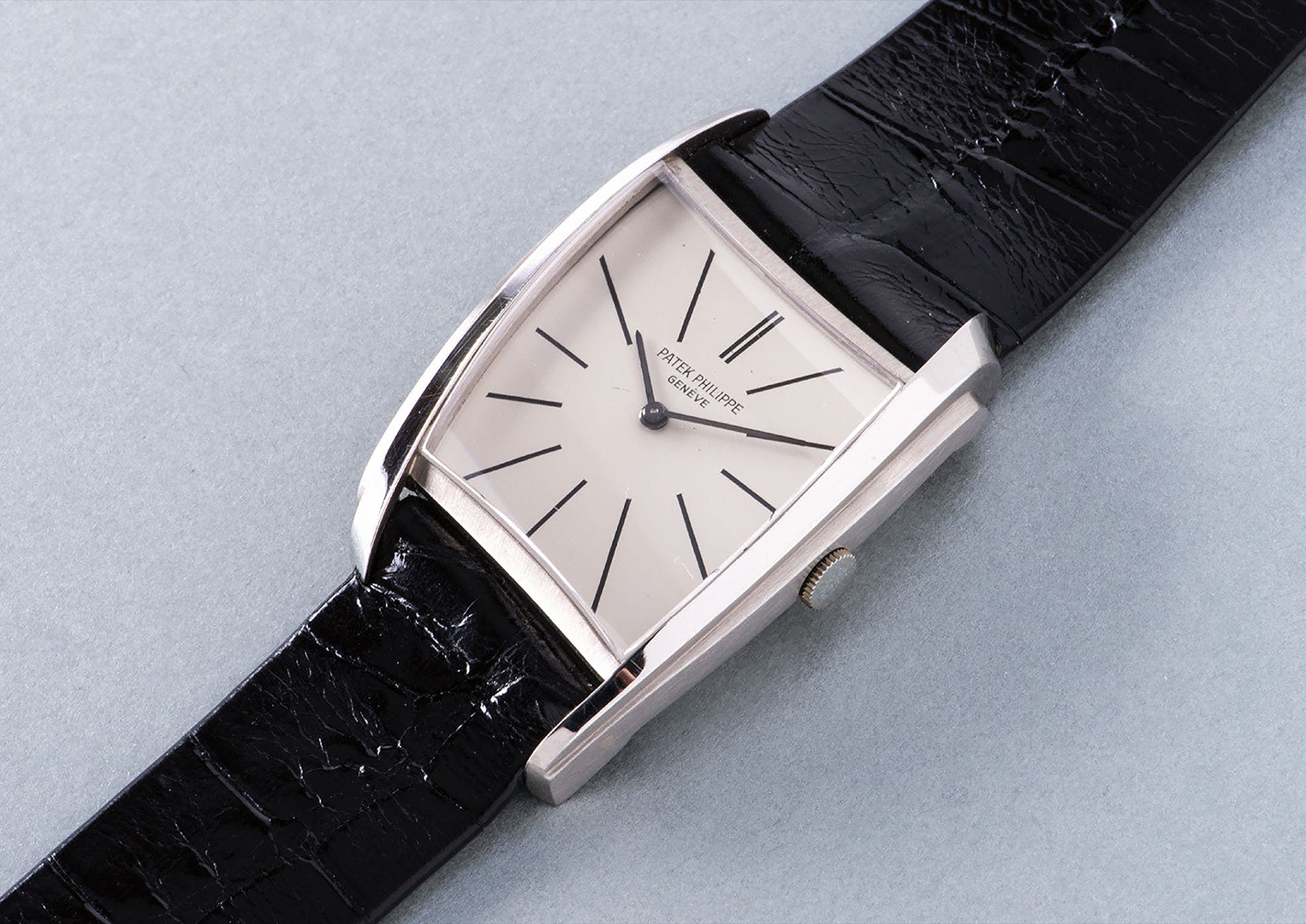
The white-gold version is equally elegant. Image courtesy of Phillips
Another of Albert’s asymmetrical models is the reference 3412. This striking watch swaps a rhomboid for an off-kilter triangular case in 18k yellow gold, housing a champagne dial with the same black sector lines.
Albert’s golden “Ricochet”—reference 789/2—with its conventional round-shaped case, approaches asymmetry in a different way, thanks to its off-centre concentric sunray dial surrounded by Roman numerals.
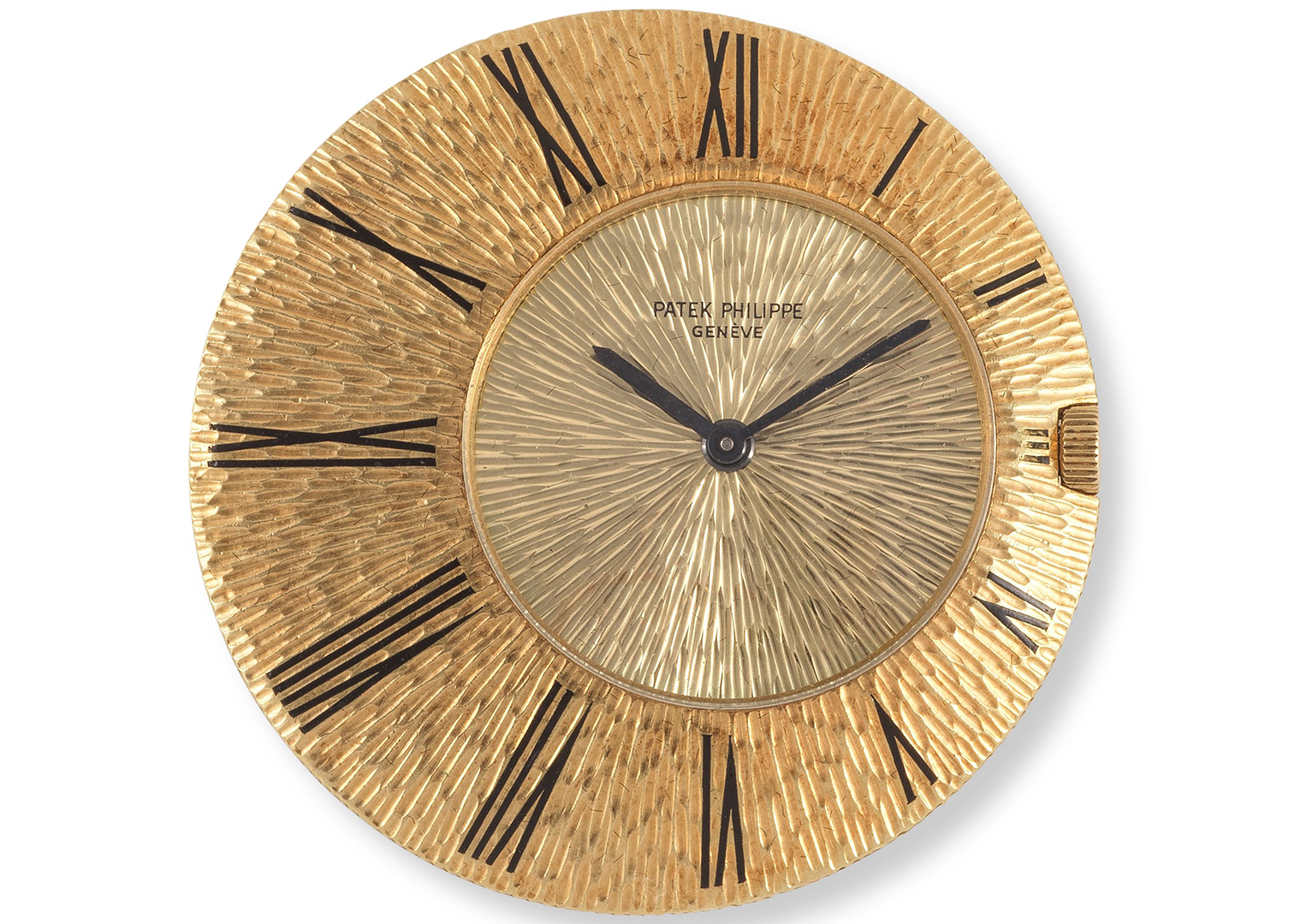
The dazzling Ricochet. Image courtesy of Bonhams
Recent forgotten models
Besides long-running classics like the Calatrava and Ellipse, there are several little-known models from more recent times that have slipped under the radar, having been discontinued.
One such model is the glamorous La Flamme. Introduced in the 1990s, this dedicated collection for ladies showcased Patek Philippe’s expert craftmanship carried out by specialist goldsmiths at the Atelier Réunis—which Patek acquired in 1975. It boasted a distinctive 18k gold, curved chain-effect bracelet with a Cartier-style cabochon crown.
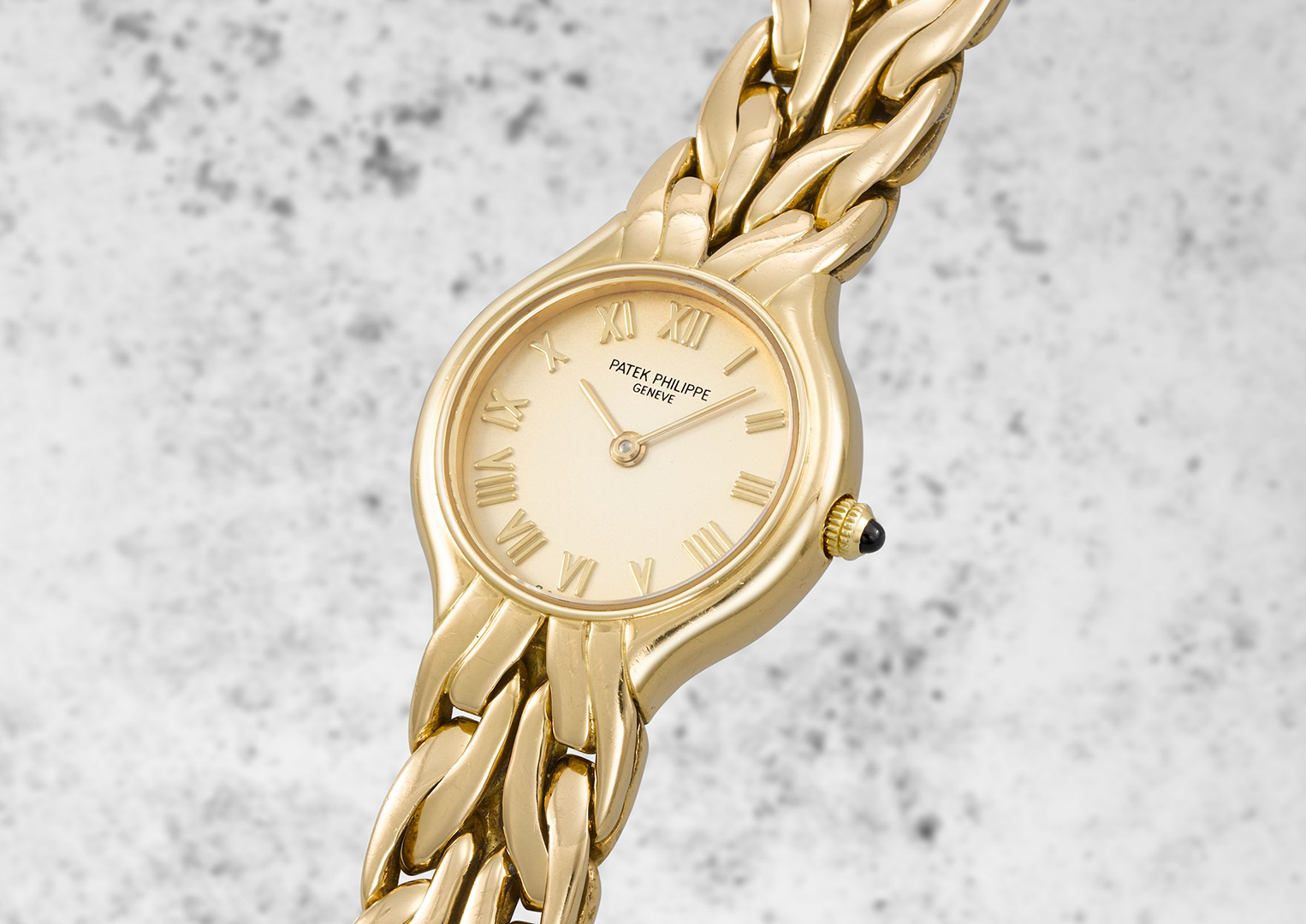
The 90s La Flamme boasted a cabochon crown. Image courtesy of Bonhams
Another watch unveiled in the 90s is the Pagoda, reference 5500—a limited edition timepiece released to celebrate the inauguration of Patek’s new watchmaking facilities in Geneva.
Inspired by avant-garde Art Deco design, it features a sleek curved rectangular case that echoes the entrance to the Geneva-based facility. Three versions were made in yellow, rose and white gold, with casebacks engraved with “Commemoration 1997 Pagoda”.
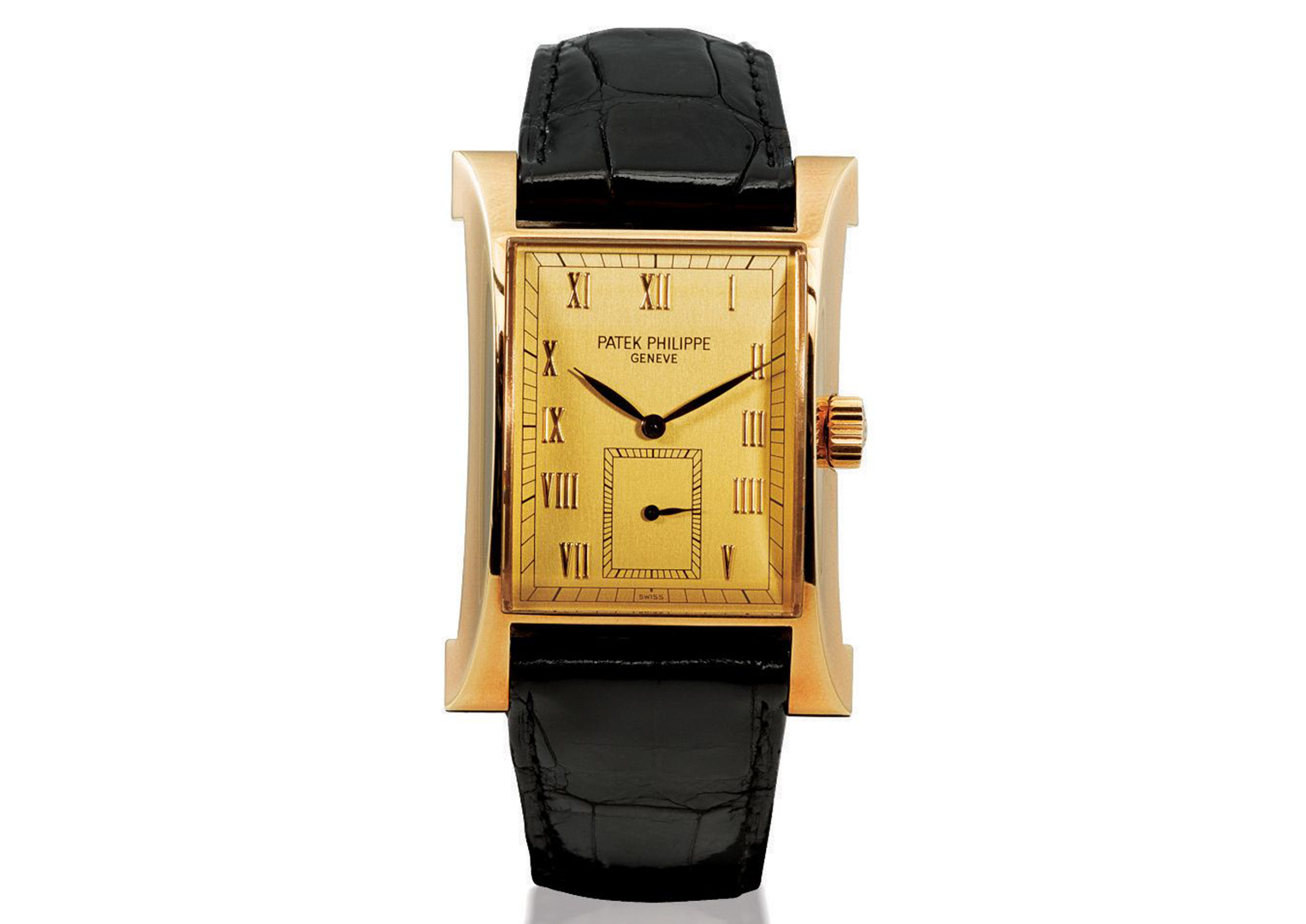
The celebratory Pagoda from the 90s. Image courtesy of Bonhams
The unusual Gemma is another forgotten ladies’ dress watch from Patek Philippe’s recent past. Released in 2006 as part of the much-loved Gondolo line, it boasts a distinctive horizontal rectangular case inspired by the reference 139, a driver's watch launched in 1934.
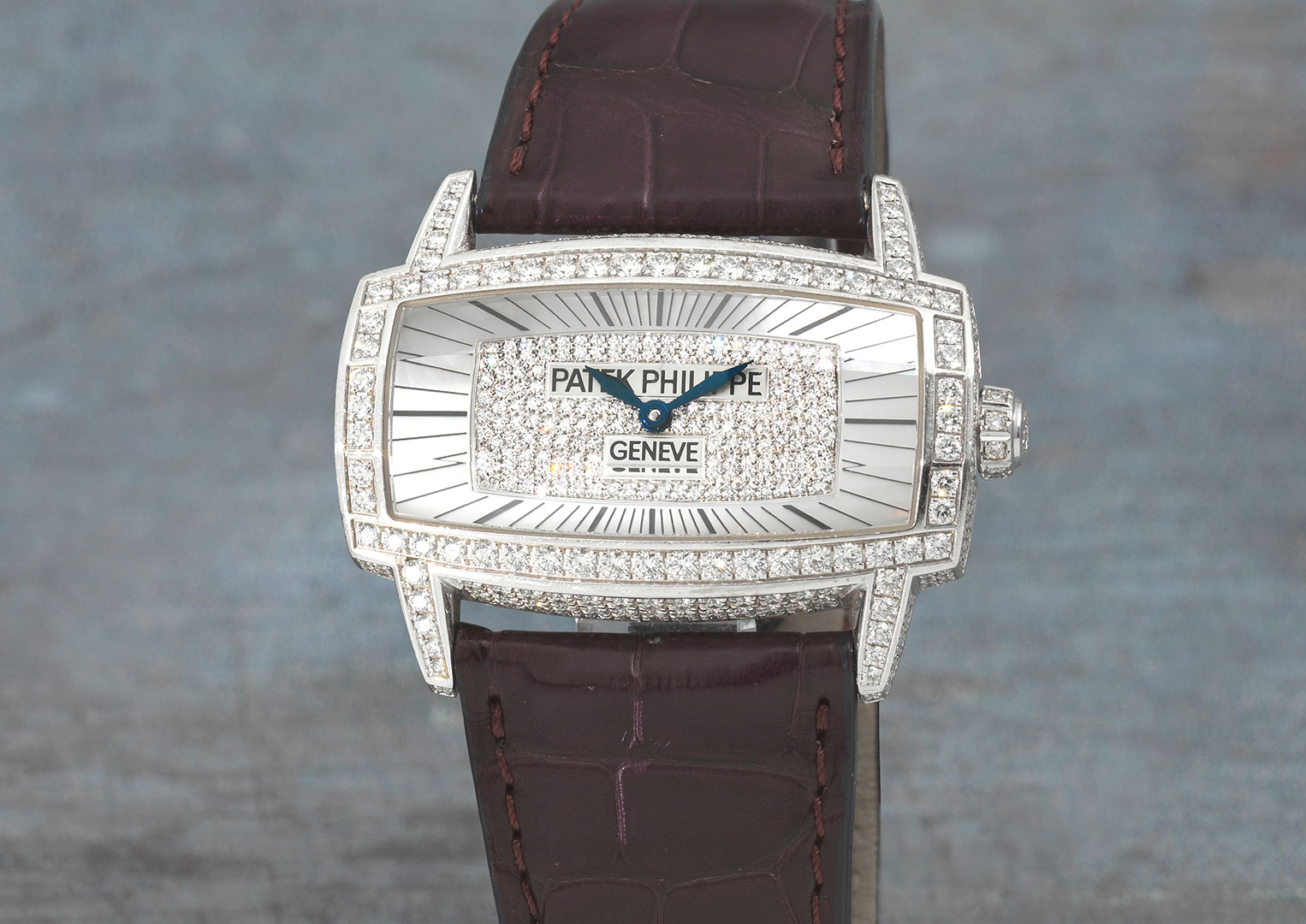
The Gemma was a Gondolo spin-off aimed at women. Image courtesy of Bonhams
Highlights from the current line-up
In recent years the most in-demand models at the Patek Philippe boutiques are those in the sporty Nautilus and Aquanaut collections. But dress watches remain a huge and important part of the brand’s output, with four collections to speak of, namely the Calatrava, Gondolo, Ellipse and Twenty-4, the latter aimed at women.
If you’re looking for a Calatrava that’s closest to the original 1932 reference 96, then the platinum-cased reference 6196P is the watch for you.
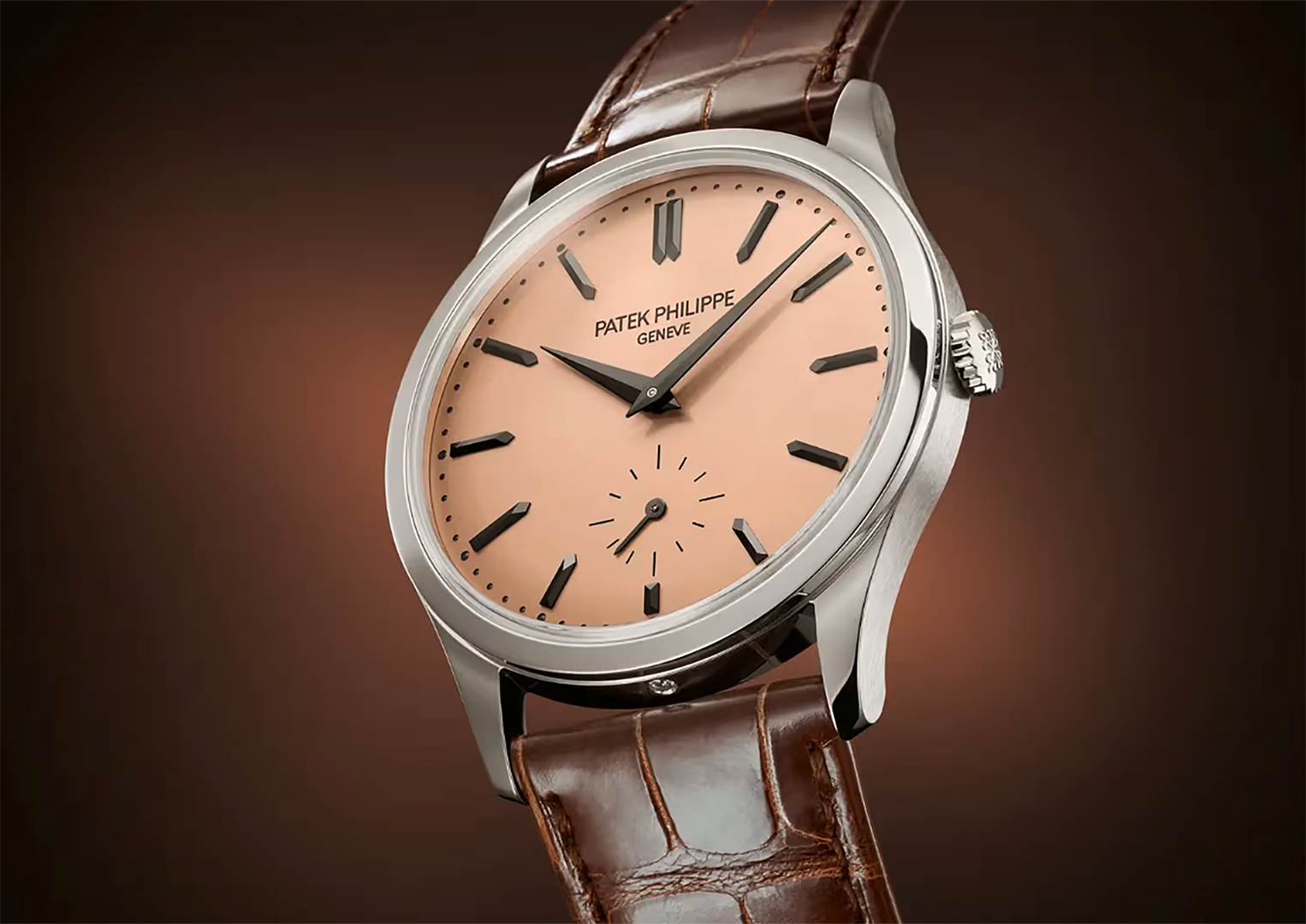
The 6196P is similar to the first ever Calatrava
Meanwhile the Gondolo collection is as unpredictable as ever, with sensational haute joaillerie pieces embellished with diamonds and pearls, or dials decorated with engravings of exotic animals such as zebras (incidentally, Patek once produced a limited-edition Zebra-themed porcelain dish, for those who want to eat their breakfast cereal in style).
With the Gondolo collection, almost anything goes!
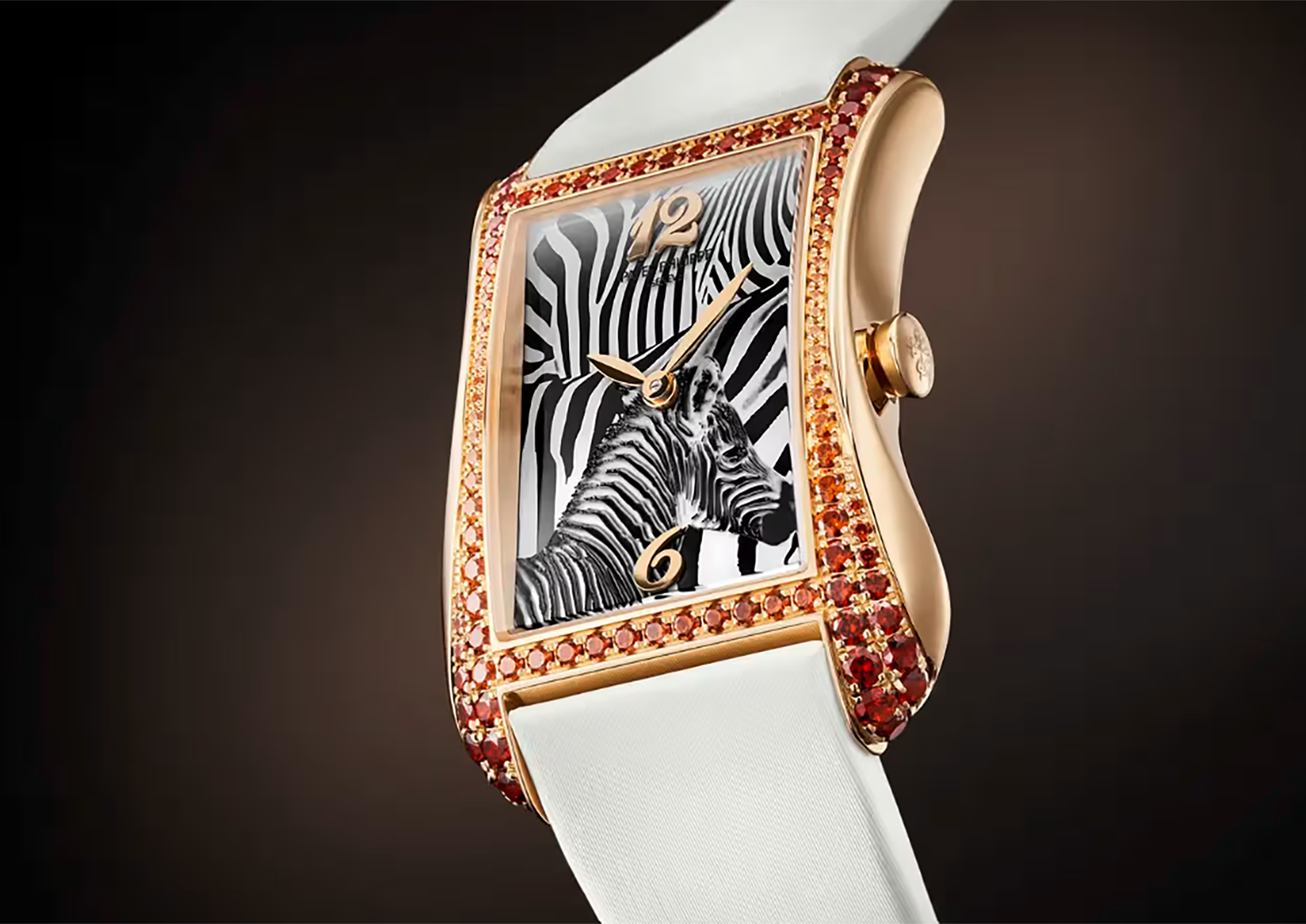
The Gondolo Serata with Zebra dial
At present, there are several time-only versions of the Ellipse in the catalogue, the date version having been discontinued.
This particularly special white-gold model features an enamel dial hand-engraved with intricate floral motifs.
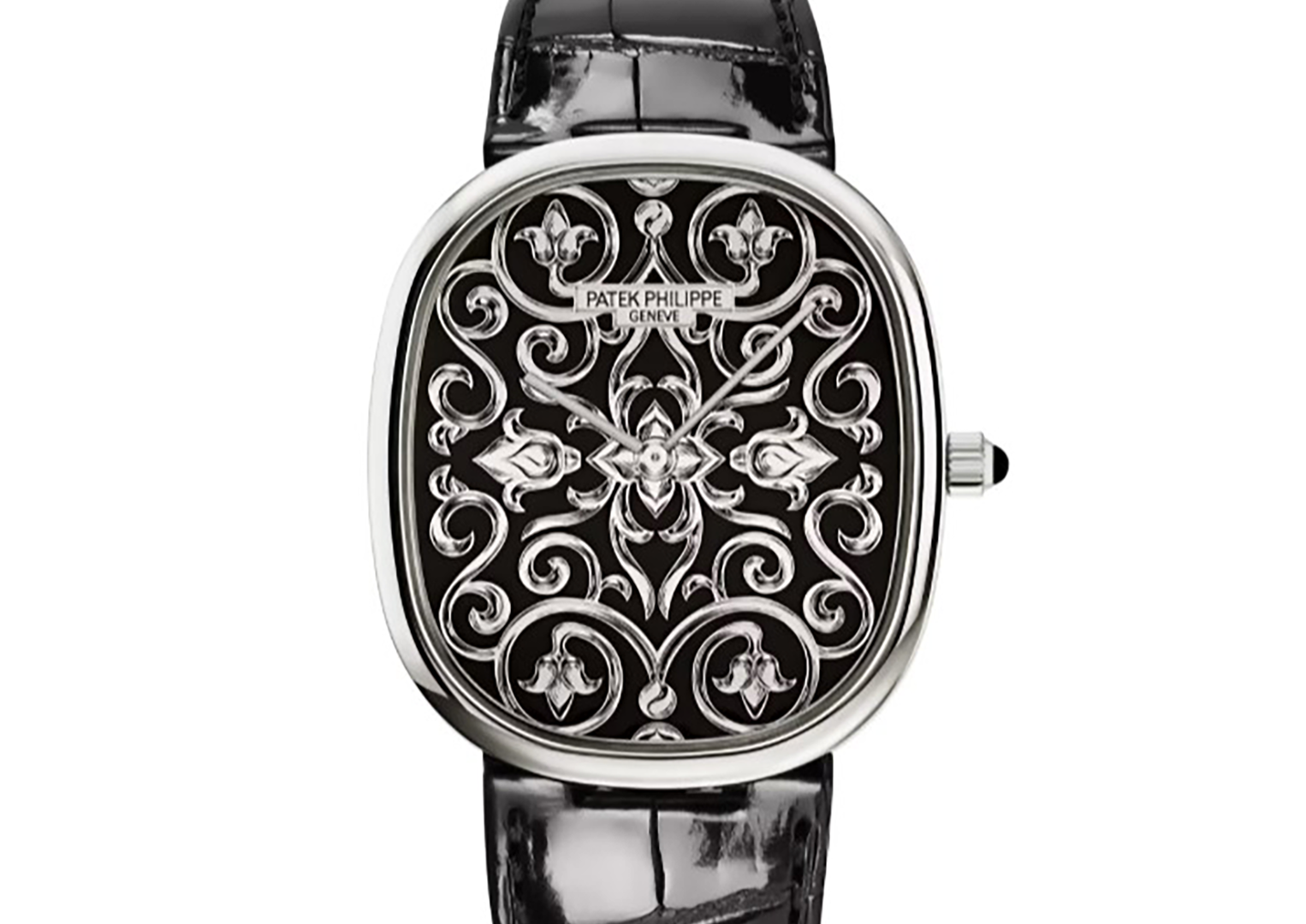
An Ellipse with floral motif dial
Unsurprisingly for a watch made by Patek’s finest metier d’art craftspeople, it costs a little over £72k.
The soul of the brand
Despite being eclipsed in recent years by the many iterations of the sporty Nautilus and Aquanaut, not to mention the virtuoso Grande Complications models that are among the finest examples of haute horlogerie, Patek Philippe’s dress watches remain the very soul of the brand.
Whether you want a wafer-thin gold watch that exudes impeccable taste or something more extravagant to turn heads on the red carpet, they encompass the full spectrum, and will do for many future generations.

